
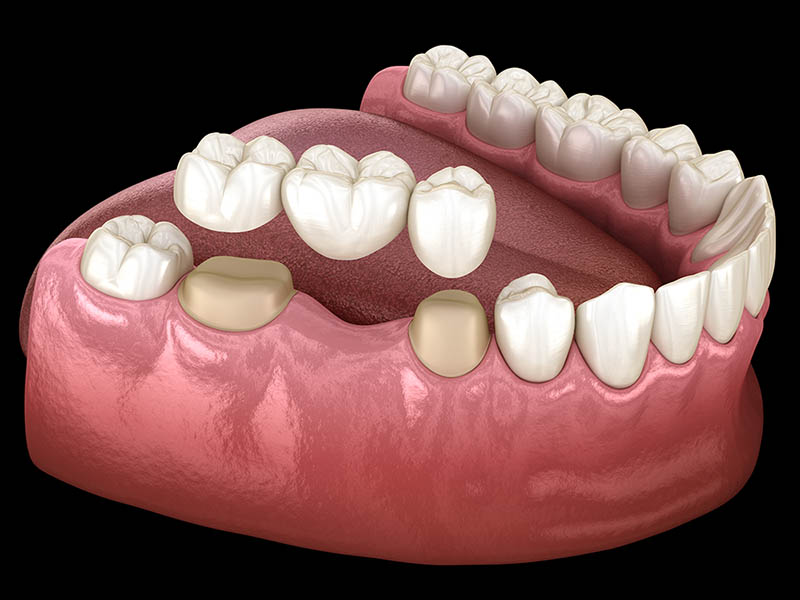
Dental crowns are a common restorative solution for protecting and restoring damaged teeth. They not only improve the appearance of a smile but also provide strength and functionality to compromised teeth. However, not all dental crowns are the same. Understanding the differences between temporary and permanent dental crowns is essential for making informed decisions about dental care and treatment planning.
A temporary dental crown is a short-term solution designed to protect a tooth between dental visits. Permanent crowns, on the other hand, are custom-made for long-term use, providing durability and full functionality. Each type of crown has distinct purposes, materials, and maintenance considerations that patients should understand before undergoing treatment.
Table of Contents
Purpose and Function
The primary purpose of a temporary dental crown is to safeguard a tooth while a permanent crown is being fabricated. When a tooth is prepared for a crown, it often becomes sensitive and vulnerable to damage. A temporary crown covers the tooth, protecting it from bacteria, food particles, and additional wear. It allows patients to continue using the tooth for chewing and basic function without discomfort or risk of further damage.
Permanent dental crowns are designed for long-term restoration. They are crafted to fit precisely over the prepared tooth, restoring its shape, strength, and appearance. Permanent crowns provide protection against fractures and decay, and they can last for many years with proper care. The long-term goal of a permanent crown is to restore the tooth to its original function while blending naturally with surrounding teeth.
Materials and Durability
Temporary crowns are typically made from acrylic or composite resins. These materials are relatively soft, easy to shape, and quick to place. While they provide adequate protection, temporary crowns are not as durable as permanent options. They may chip, crack, or wear down if subjected to excessive pressure, and they are not meant to last beyond a few weeks.
Permanent dental crowns are constructed from more durable materials such as porcelain, ceramic, metal alloys, or a combination of porcelain fused to metal. These materials are designed to withstand the pressures of chewing and grinding over time. Porcelain and ceramic crowns offer a natural tooth-like appearance, while metal-based crowns provide exceptional strength. The durability of permanent crowns makes them suitable for long-term restoration, ensuring protection and functionality for many years.
Fit and Customization
Temporary crowns are usually pre-fabricated and adjusted in the dental office to fit the prepared tooth. They may not fit perfectly, and minor adjustments are often necessary to ensure comfort and alignment with surrounding teeth. Their main role is functional protection rather than aesthetic perfection.
Permanent crowns are custom-made to match the size, shape, and color of the patient’s natural teeth. Impressions of the prepared tooth are taken and sent to a dental laboratory, where skilled technicians create a crown that fits precisely. This customization ensures that the permanent crown not only functions well but also blends seamlessly with the surrounding teeth, providing a natural appearance.
Maintenance and Care
Caring for temporary crowns requires extra caution. Patients are advised to avoid sticky, hard, or chewy foods that could dislodge or damage the crown. Good oral hygiene is essential, but gentle brushing and careful flossing are recommended to prevent loosening the temporary restoration. Since temporary crowns are designed for short-term use, consistent care ensures that the tooth remains protected until the permanent crown is placed.
Permanent crowns, while more durable, also require proper oral hygiene. Brushing twice daily, flossing regularly, and routine dental check-ups are necessary to prevent decay at the margins and maintain the health of the surrounding gums. With proper care, permanent crowns can last a decade or longer, providing a reliable solution for tooth restoration.
Longevity and Replacement
The lifespan of a temporary crown is limited, typically ranging from a few days to a few weeks. Patients are advised to schedule follow-up appointments promptly to replace the temporary crown with a permanent one. Delaying this process may increase the risk of tooth damage or infection.
Permanent crowns are designed to last for many years, often between 10 to 15 years or longer, depending on material, oral hygiene, and lifestyle factors. Unlike temporary crowns, permanent crowns are a long-term investment in dental health, offering strength, protection, and a natural appearance that integrates seamlessly into the smile.
Understanding the differences between temporary and permanent dental crowns helps patients make informed decisions about their dental care. Temporary crowns serve as protective, short-term solutions during the restoration process, while permanent crowns provide durable, long-lasting protection and improved aesthetics. Both play important roles in maintaining oral health, and proper care ensures that the transition from temporary to permanent crowns is smooth and effective.
By knowing what to expect from each type of crown, patients can work with their dental professionals to achieve optimal results, maintain functionality, and enjoy a healthy, confident smile for years to come.